Few countries tell their story through architecture the way China does. For thousands of years, emperors, merchants, farmers, and foreign powers have all left their mark on the landscape. The result is one of the richest and most varied architectural legacies in the world.
When we talk about historic architecture, we often refer to royal palaces, temples, and city walls. However, residential architecture is where China really stands out. There are numerous types of housing that reflect China’s diverse climate, terrain, and local circumstances.
The 19th and 20th centuries brought foreign influences, especially to coastal cities. After World War II, China tried to reinvent itself with a new national style. In the last few decades, flashy contemporary architecture has emerged, putting China back on the world architecture stage.
Royal Palaces
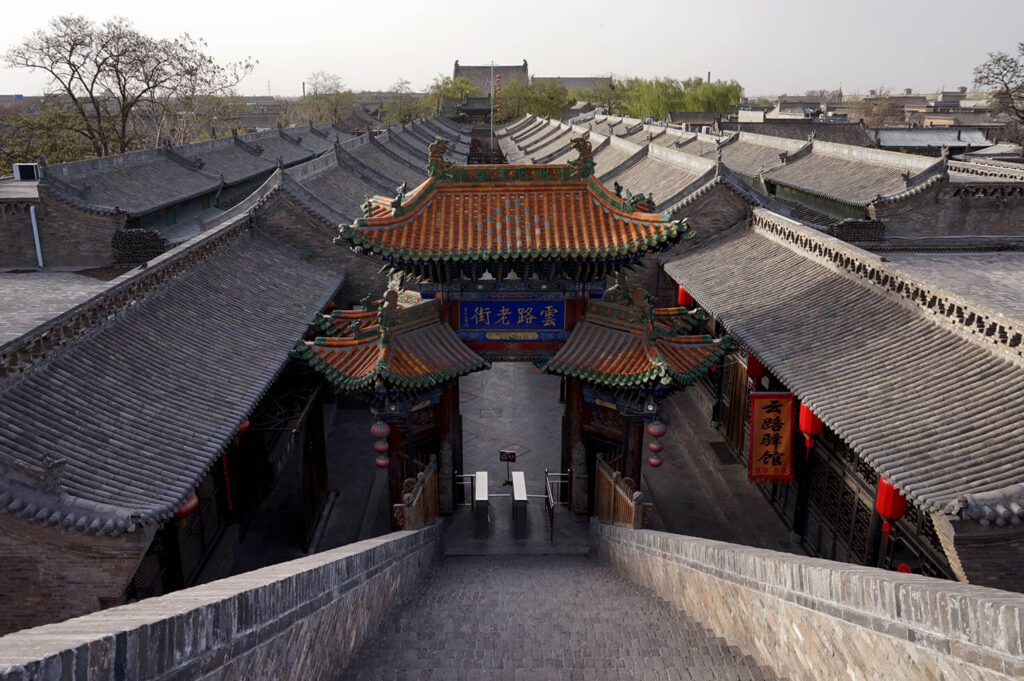
China was ruled by different royal families, each of which left its mark on the physical landscape. More than a dozen cities served as capitals of larger or smaller territories within what is now China. Four of them are known as the four great ancient capitals of China: Beijing, Xi’an, Nanjing, and Luoyang.
Chinese palaces are symmetrical complexes of buildings centered around a north-south axis. They follow the principles of Feng Shui, with all buildings facing south. They always include a series of courtyards, with the public ones at the front and the private ones behind them.
The best examples of royal palaces are in Beijing, with the Forbidden City and the Summer Palace. Other important complexes include the Mukden Imperial Palace in Shenyang and the Potala Palace in Lhasa.
Temples
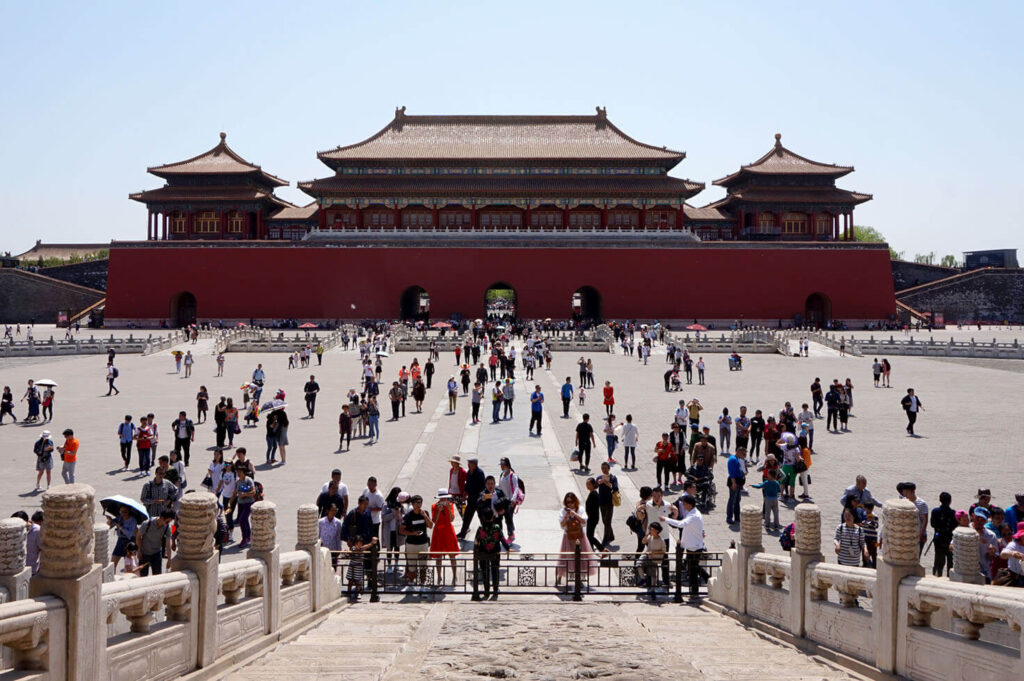
Chinese temples reflect the country’s rich and diverse religious past. Most temples are Buddhist, as Buddhism is the country’s most prominent religion. Others are Taoist or Confucian, and there are also many ancestral halls dedicated to family ancestors.
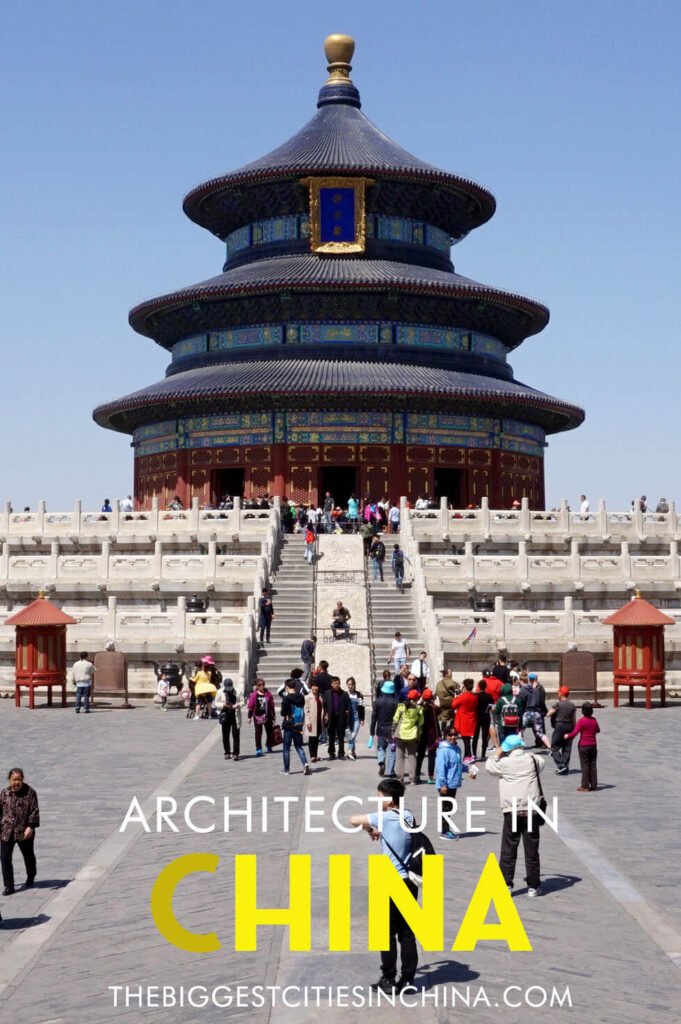
Temple layouts are similar to those of palaces, with a central axis and numerous courtyards. Pagodas (multistory towers) are very common, as are drum and bell towers on both sides of the entrance courtyard. Curved roofs with upturned eaves are among the most distinctive elements of Chinese temple architecture.
The White Horse Temple in Luoyang is considered the oldest temple in China. The Temple of Heaven in Beijing is probably the most famous one. Other important temples include the Big Wild Goose Pagoda in Xi’an, Jokhang Temple in Lhasa, and the Temple of Confucius in Qufu.
City Walls
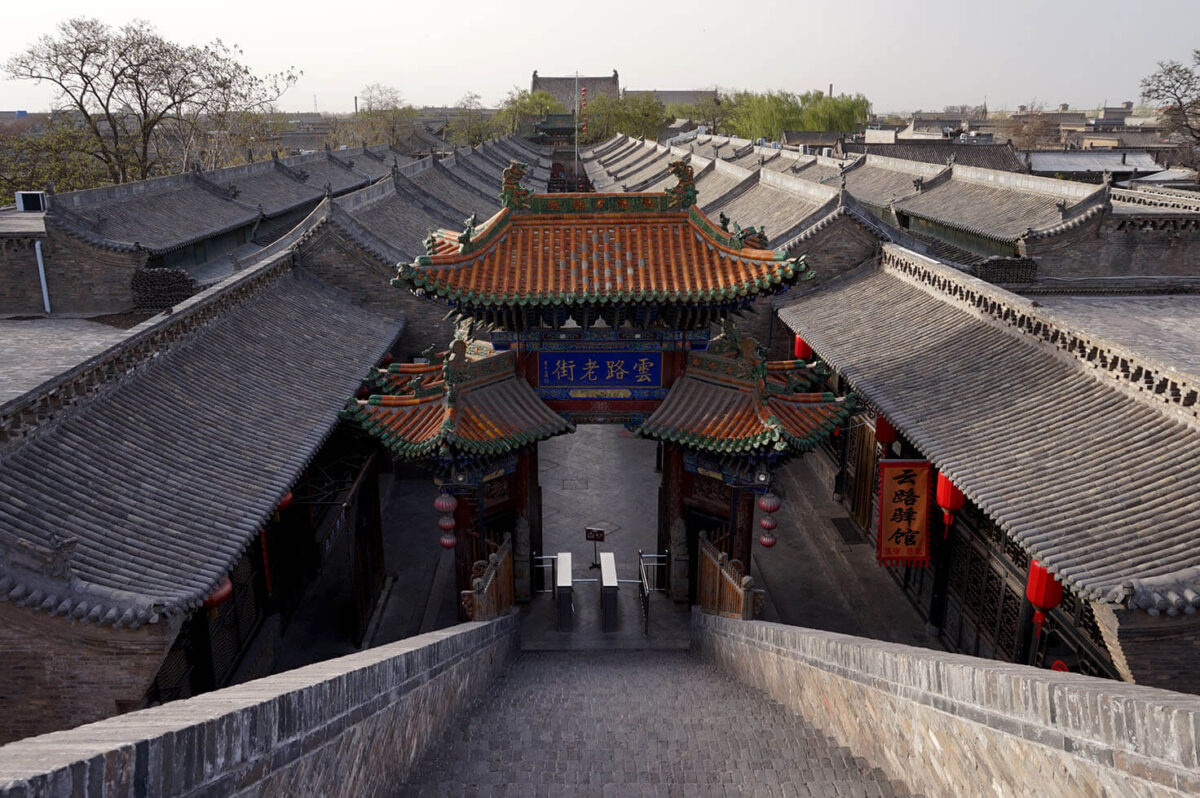
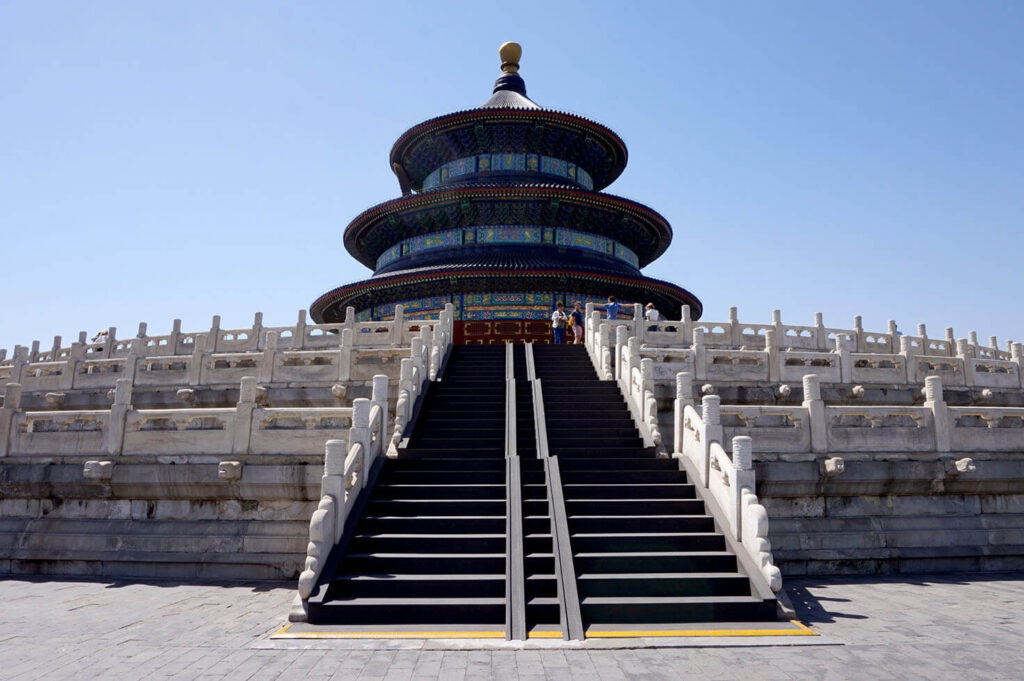
City walls in China are in a league of their own. They were built to protect capitals and other important cities, initially using rammed earth and later brick. Although they vary in shape, their size is usually quite impressive. Apart from urban walls, the Great Wall of China deserves a special mention.
Most of the surviving city walls date from the Ming dynasty. They include fortified gates with barbicans, small towers, and bastions along the top, and they are often surrounded by moats. Most of Beijing’s historic city walls were demolished during the 1950s and 1960s.
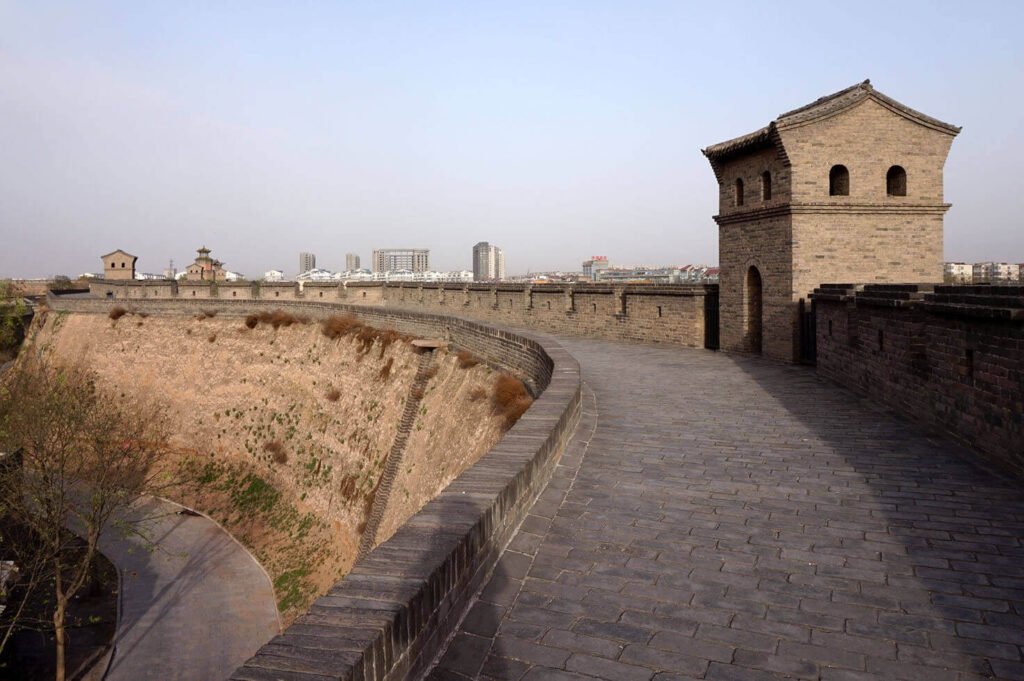
Numerous city walls still surround cities and towns across China. The most famous example is the Xi’an City Wall, which dates from the early Ming dynasty. Other impressive walls can be found in Nanjing, the former capital of southern China, and Pingyao.
Houses
Siheyuan
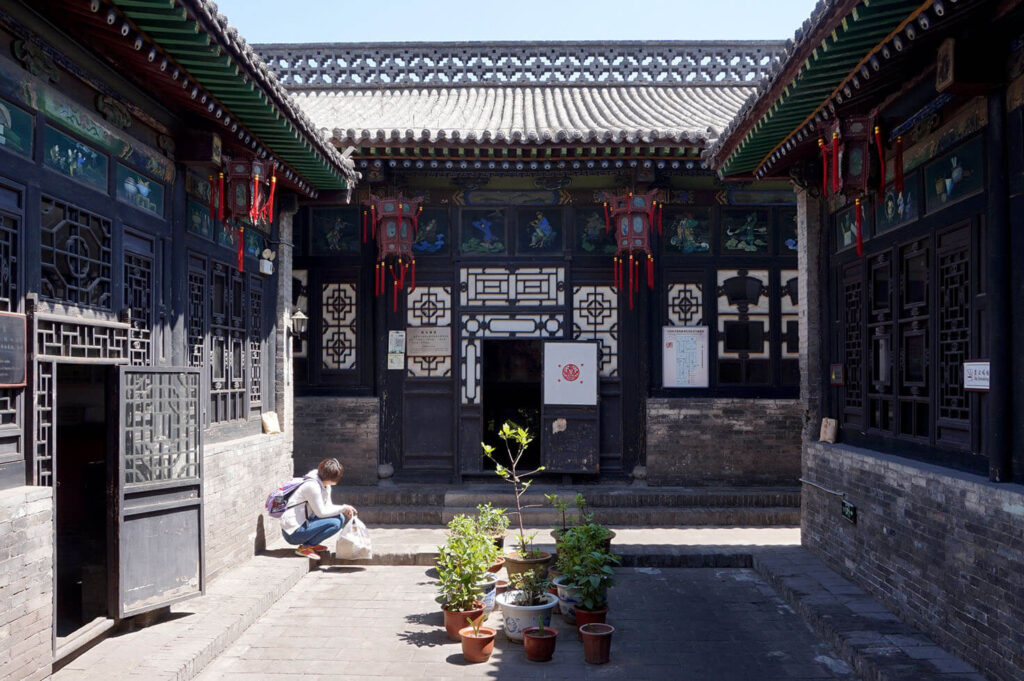
Siheyuan is the most well-known traditional housing type in China. It can be found throughout Beijing and northern China. It is a traditional house with buildings on all four sides of a central courtyard. This type of housing has existed for more than a thousand years.
Siheyuan follows the principles of Feng Shui, with the main gate in the southeast corner. Inside the gate, there is a so-called spirit screen that blocks the view from the street. The main house, where the head of the family lives, is in the north and faces south.
The side houses, where the sons and their families live, are on the east and west sides. The building on the south side, facing north, provides space for guests, servants, or storage. Some of the best-preserved siheyuan houses can be found in Beijing’s remaining hutongs, such as Nanluoguxiang.
Shikumen
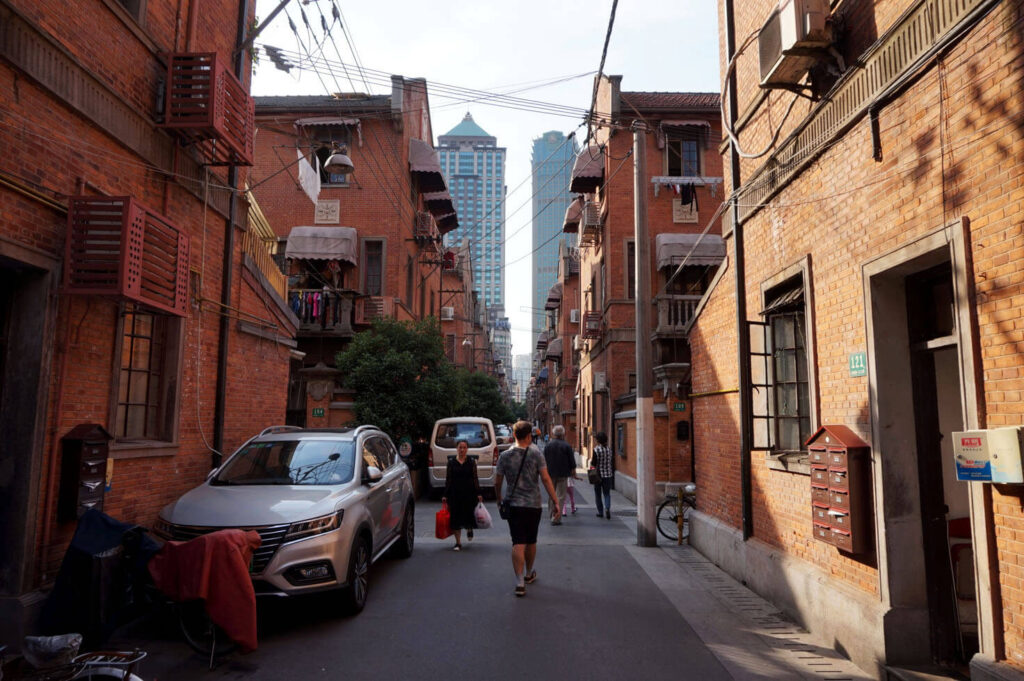
Shikumen is a type of terraced house unique to Shanghai. It gets its name from the stone doorframe and black wooden door. Shikumen houses were built in rows along narrow lanes called lilong, within walled neighborhoods.
Shikumen houses appeared in the late 19th century as affordable housing for refugees who arrived after the Taiping Rebellion. They combine the traditional Chinese courtyard layout with English-style terraced houses built in identical rows.
There is usually a small courtyard at the entrance, while the main hall, used for receiving guests, is on the ground floor. The bedrooms are upstairs. There is also a pavilion room above the kitchen at the back. Two of the most famous shikumen housing areas are Xintiandi and Tianzifang (both are now very touristy).
Xiguan Mansions
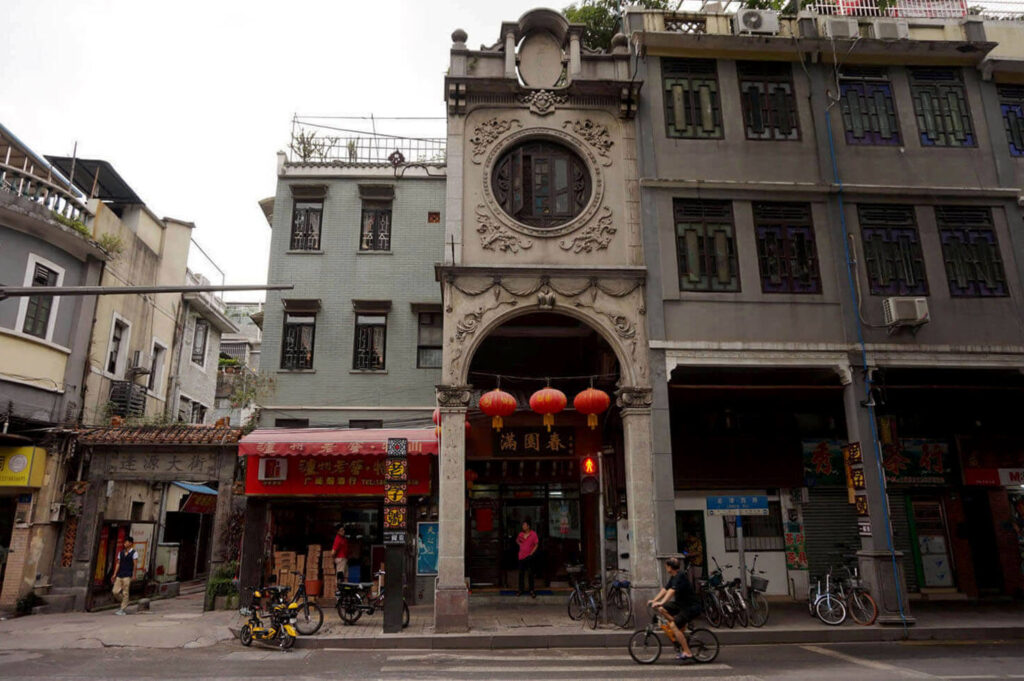
Xiguan Mansions are traditional houses built for wealthy merchants in Guangzhou. They were mostly constructed during the second half of the 19th century and the early 20th century. Their name comes from the western gate of old Guangzhou, in the Liwan district.
A typical Xiguan house has a three-layered entrance door and is built around a long, narrow corridor. Inside, there is an entrance hall, followed by a sedan chair room, a guest hall, and private rooms. They are separated by small courtyards designed to limit direct sunlight and keep the interiors cool in Guangzhou’s hot, sunny climate.
These houses are typically covered with polished gray bricks and feature colorful stained-glass windows that combine Chinese wooden latticework with European glass. You can find many of them in Lychee Bay and Yongqingfang, next to Duobao Road in Liwan.
Tulou
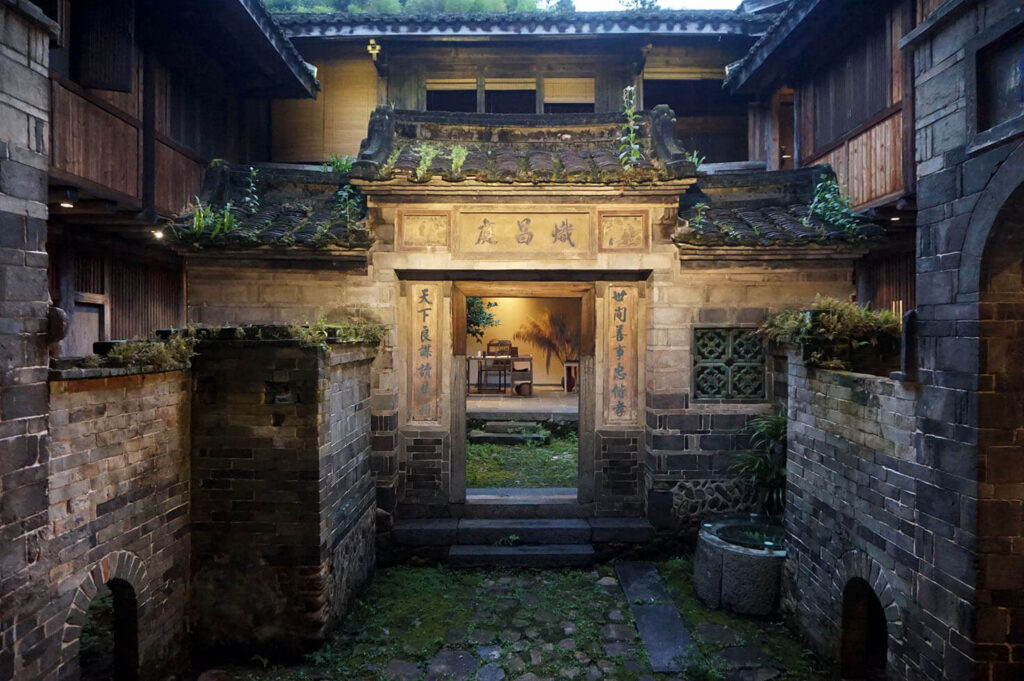
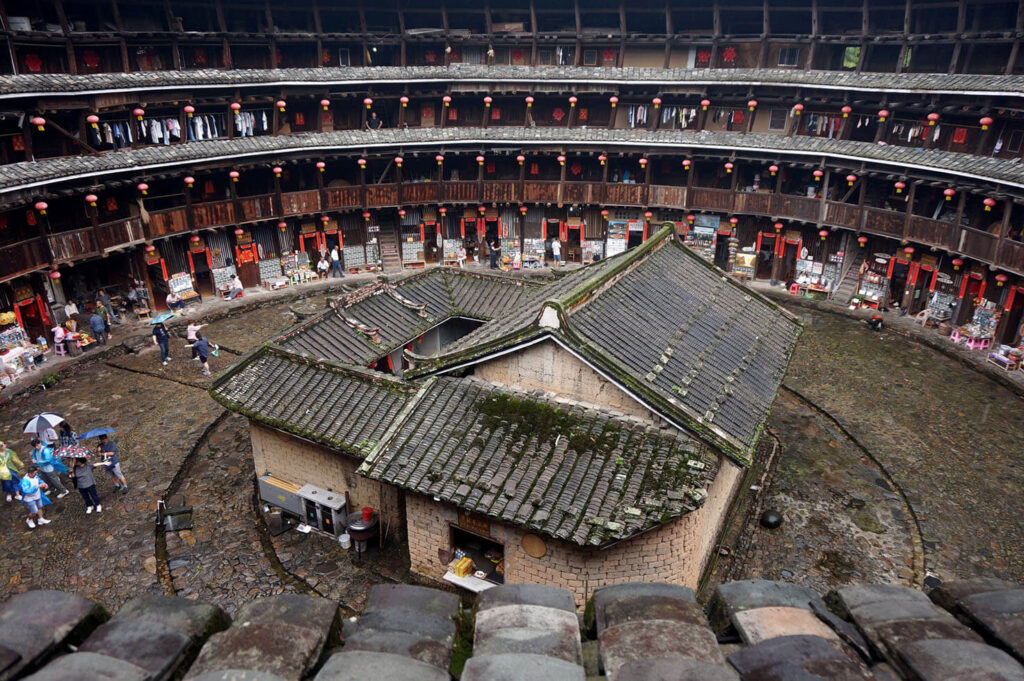
Tulou, or earthen buildings, are communal, fortress-like houses built in Fujian and neighboring provinces to protect their inhabitants from enemies and wild animals. They are associated with the Hakka people, although Hokkien people also built them. Several Fujian Tulou are collectively recognized as a UNESCO World Heritage Site.
A typical tulou has a square, rectangular, or circular shape. Its walls are made of thick rammed earth and can be 1–2 meters wide at the base. There is usually only one entrance, few or no windows on the lower floors, and an ancestral hall in the courtyard. They normally have between three and five floors.
The best area to visit tulou is Nanjing County in southern Fujian. The most popular villages include Yunshuiyao, Gaobei, and Hongkeng. However, some of the most beautiful examples are Tianluokeng, Hekeng, and Chuxi. The oldest surviving tulou is Yuchanglou, near Taxia Village.
Diaolou
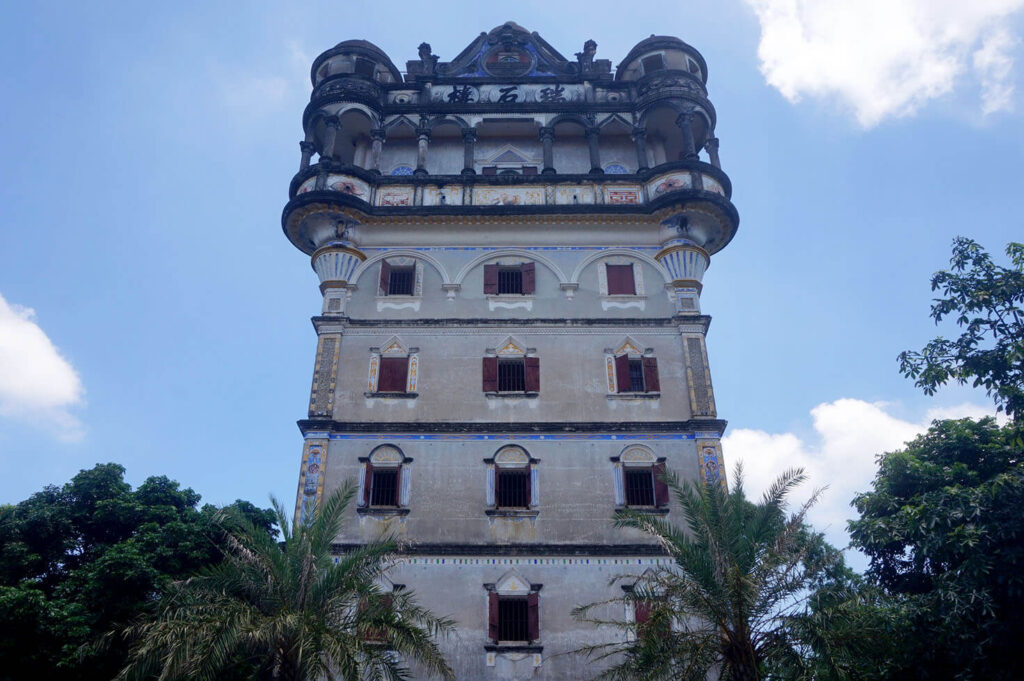
Diaolou are multistory fortified towers found mainly in Kaiping, in Guangdong Province. They were built to protect families from bandits and natural disasters and were financed by local people who emigrated to the USA and Canada. Most towers date from the late 19th and early 20th centuries.
These tall structures usually have between three and six floors, although the tallest one, Ruishi Lou, has nine. Originally, they were built from earth and wood, but later builders used brick, stone, and even reinforced concrete. Many feature decorations influenced by Gothic, Baroque, or Neoclassical styles.
The best examples of diaolou are southwest of Kaiping city. You can recognize them by their tower-like shapes and elaborate decorations, including columns, arches, and balconies. Four clusters are especially worth visiting: Zili Village, Li Garden, Majianglong, and Jinjiangli. These sites form part of the UNESCO World Heritage listing known as the Kaiping Diaolou and Villages.
Diaojiaolou
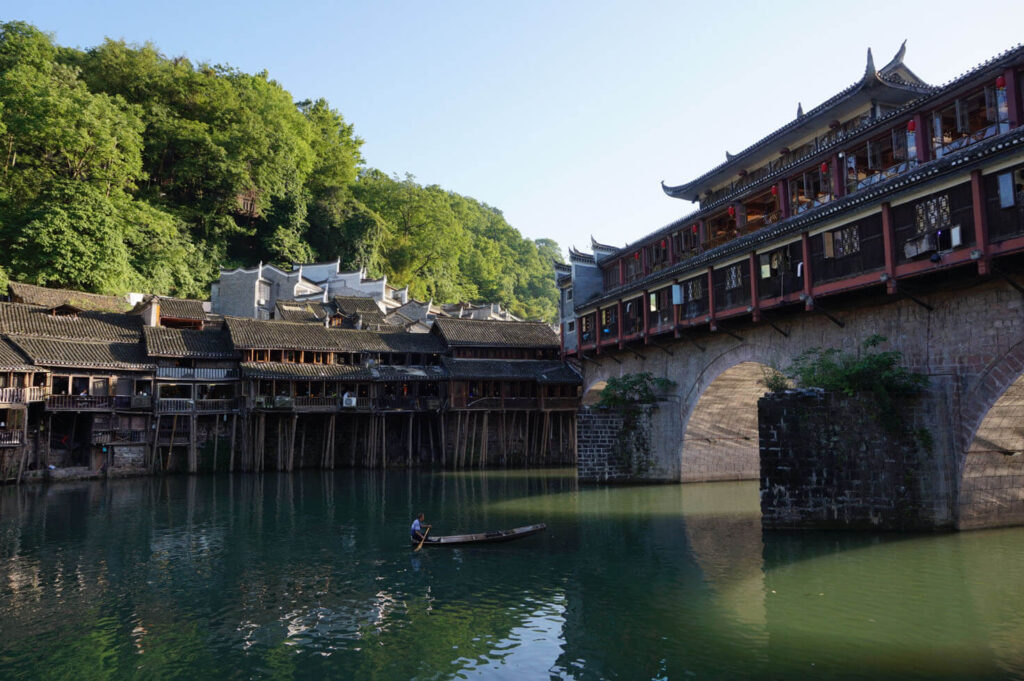
Diaojiaolou are traditional stilt houses found in the mountainous areas of Hunan, Hubei, Guizhou, Chongqing, and Guangxi. They were built by ethnic minority groups, including the Tujia, Miao, and Dong. Raising houses on stilts protected them from dampness, flooding, and animals.
The columns, beams, floors, and roofs are made of wood, while stone is used for the foundations. Most houses have two or three stories. The ground floor is used for livestock or storage, while the upper floors contain bedrooms, kitchens, and guest rooms.
The best place to look for villages and towns with diaojiaolou houses is western Hunan Province. Fenghuang and Furong feature numerous examples. In Guizhou, Xijiang is a beautiful village with many stilt houses.
Yaodong
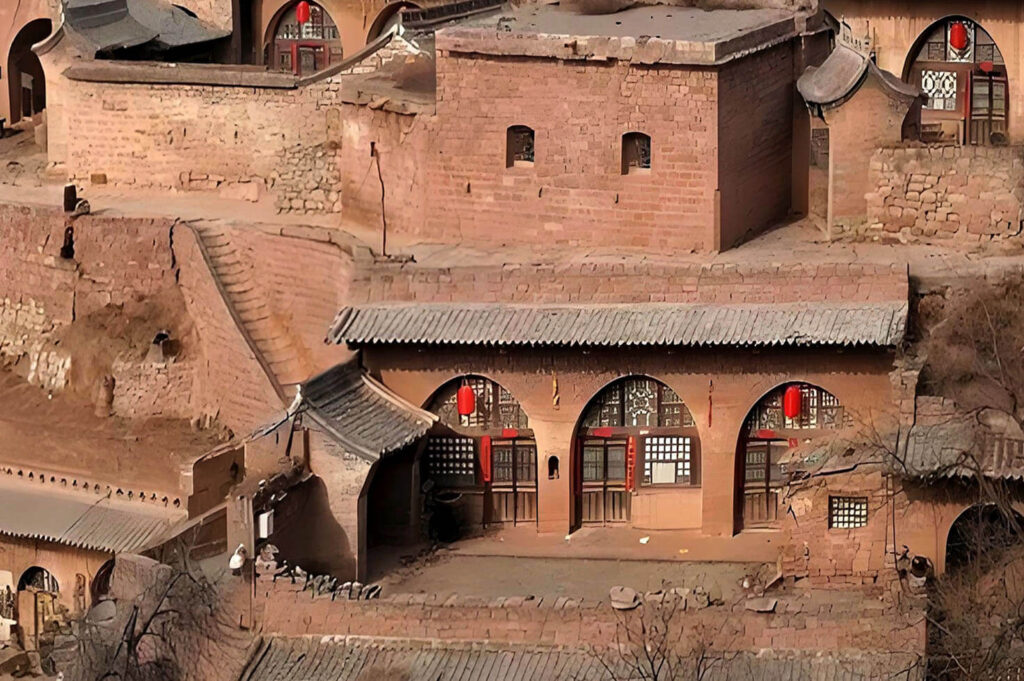
Yaodong are traditional cave dwellings built on the Loess Plateau in Shaanxi, Shanxi, Gansu, Henan, and Ningxia. They are among the most unique examples of vernacular architecture in China.
There are three main types of yaodong: underground courtyard dwellings dug into the ground, hillside dwellings excavated horizontally into a slope, and freestanding structures built above ground using similar principles.
Unless they are excavated directly into the loess, they use rammed earth, bricks, or stone as their main building materials. Yan’an City in Shaanxi is one of the best places to visit cave yaodong. For underground yaodong, head to Yaodi Village in Henan.
Foreign Concessions
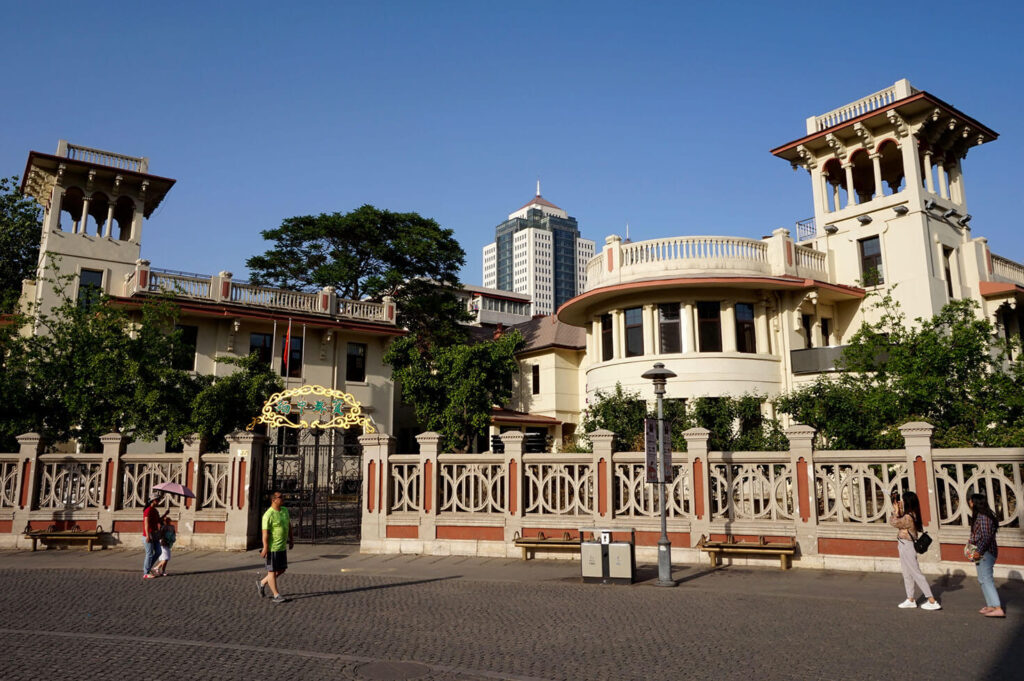
Between the 1840s and the 1940s, many Chinese port cities were partially controlled by foreign powers. Each foreign power built in its own national style, often incorporating Neoclassical, Neogothic, or Art Deco elements.
Many concessions introduced street layouts influenced by European and American cities, with wide avenues, landscaped promenades, and geometrically arranged blocks. The earliest buildings often had wide arcades to cope with the hot, humid climate. Later buildings became grander and more European in appearance.
The best cities to explore the architecture of foreign concessions in China are Shanghai and Tianjin. In Shanghai, visit the Bund or explore the French Concession. In Tianjin, visit the Five Great Avenues or the Italian Concession. Other interesting examples can be found in Qingdao, Xiamen (Gulangyu Island), and Guangzhou (Shamian Island).
Modern Architecture
After World War II, China experienced a profound social and economic transformation, which naturally affected its architecture. The 1940s and 1950s saw Soviet-style planning, with large avenues and public squares.
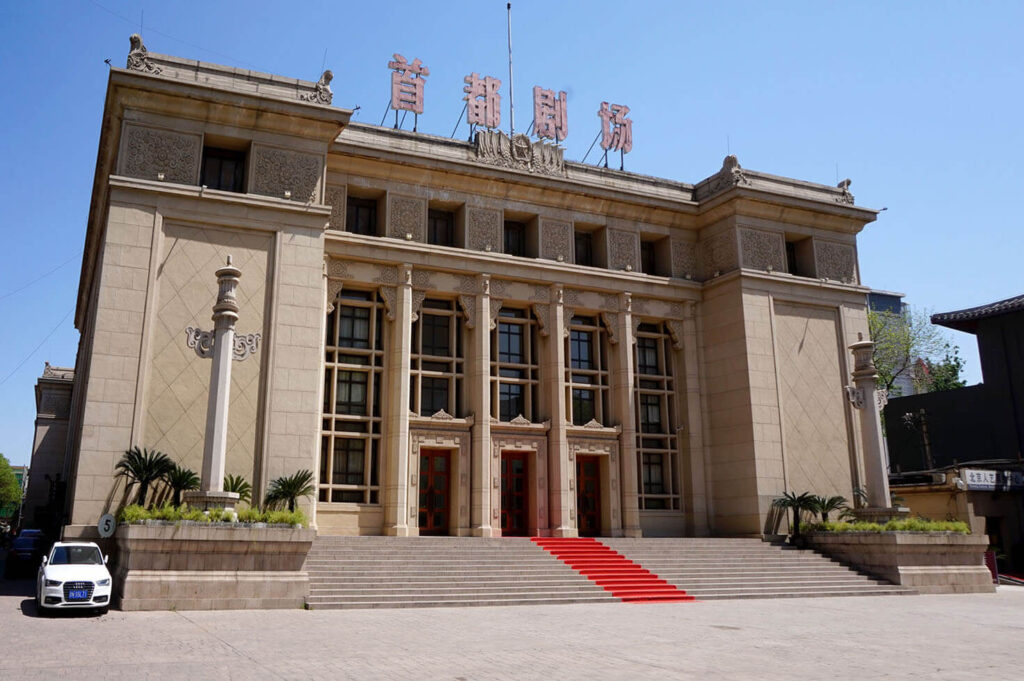
A new style known as national form was created. It combined modern shapes and forms with traditional Chinese roofs and decorative elements. Ten buildings in Beijing, constructed to mark the 10th anniversary of the PRC, were built in this style. They include the Great Hall of the People, the National Museum of China, and Beijing Railway Station.
Very little was built during the 1960s and 1970s, and few buildings of major architectural significance emerged. After China opened up in the 1980s and 1990s, many buildings adopted Western high-tech modernism. Later, a highly experimental phase of postmodernism began to spread. Famous examples include Fragrant Hill Hotel in Beijing and Jin Mao Tower in Shanghai.
Contemporary Architecture
After opening up, it took some time for Chinese architecture to catch up with the rest of the world. At first, most major projects were designed by foreign architects. Soon, a new generation of talented Chinese architects emerged.
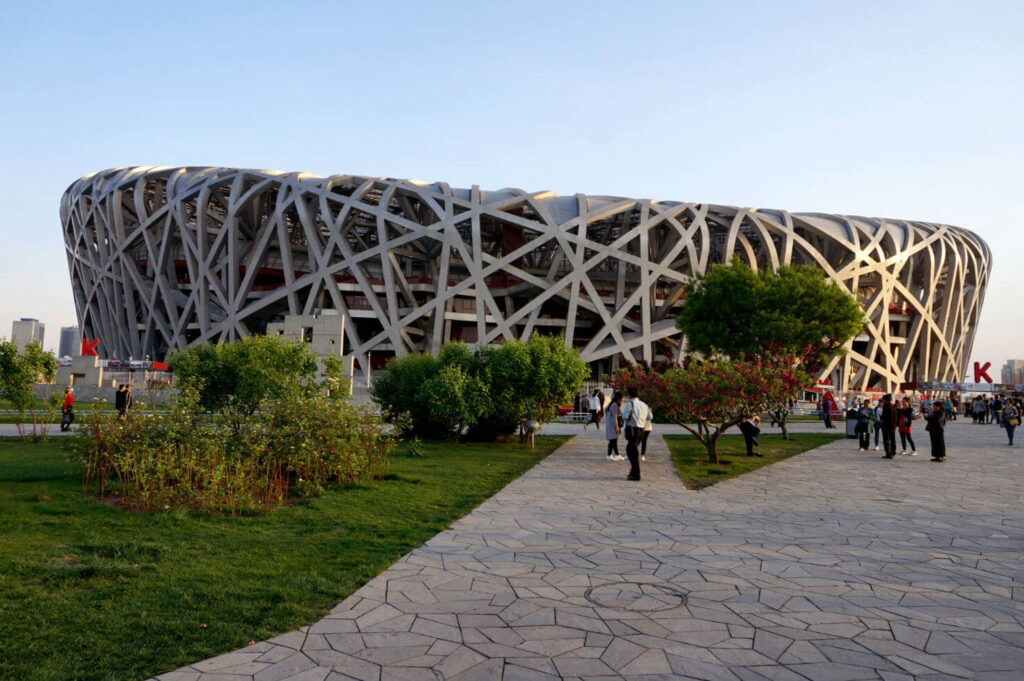
Two major events put China back on the international stage. The 2008 Summer Olympics in Beijing brought spectacular architecture to the capital. Two of its most famous structures are the Bird’s Nest and the Water Cube. Something similar happened in Shanghai in 2010 during the World Expo. The iconic China Pavilion dates from that time.
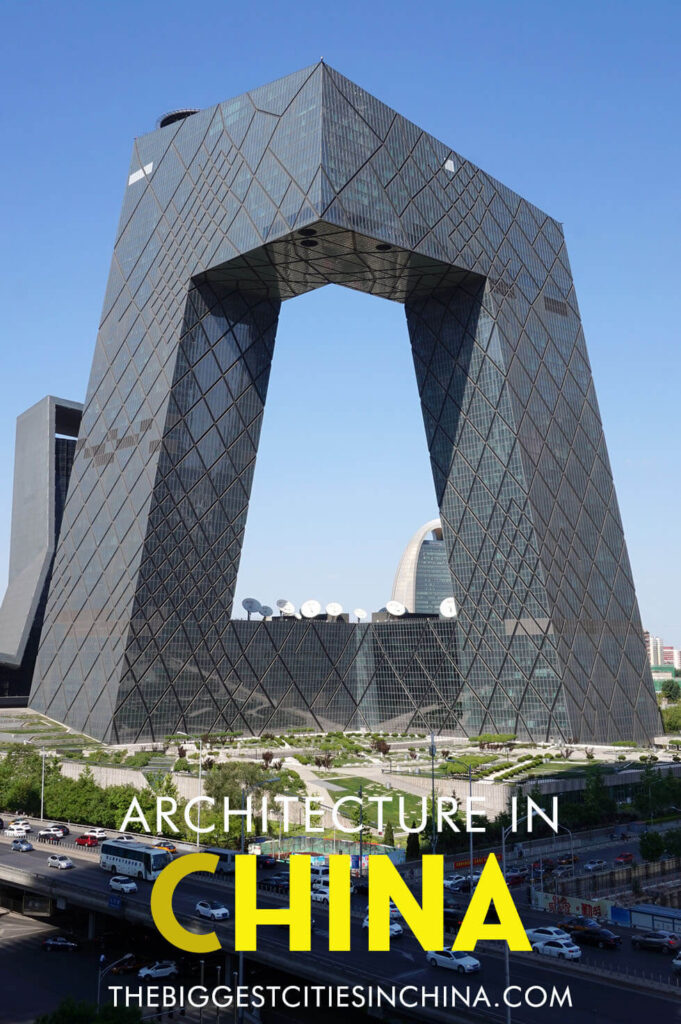
During the 2000s and early 2010s, architecture flourished across the country, with an almost unlimited variety of shapes, colors, and materials. Nonetheless, in 2014, the Chinese government advised against extravagant and unusual-looking projects. That said, plenty of these buildings are still standing in Chongqing.
Staying in an Architectural Landmark
China has experienced a tourism boom over the last decade, with many heritage buildings being converted into hotels. In Fujian, you can stay in several tulou. Our favorite hotel in China is the outstanding Tsingpu Nanjing Tulou Retreat. It is a century-old tulou that has been converted into a luxury hotel.
You can also stay in a historic diaolou. The Liyuan Daoxiang Diaolou Boutique Cultural Homestay is a century-old watchtower and school complex that has been transformed into a boutique hotel.
Shanghai is home to numerous historic hotels. We wholeheartedly recommend the Okura Garden Hotel in the former French Concession. The hotel’s lobby is located inside the former French Club, an Art Deco palace dating from 1926, while the rooms are in a modern tower built in 1990.